.svg)


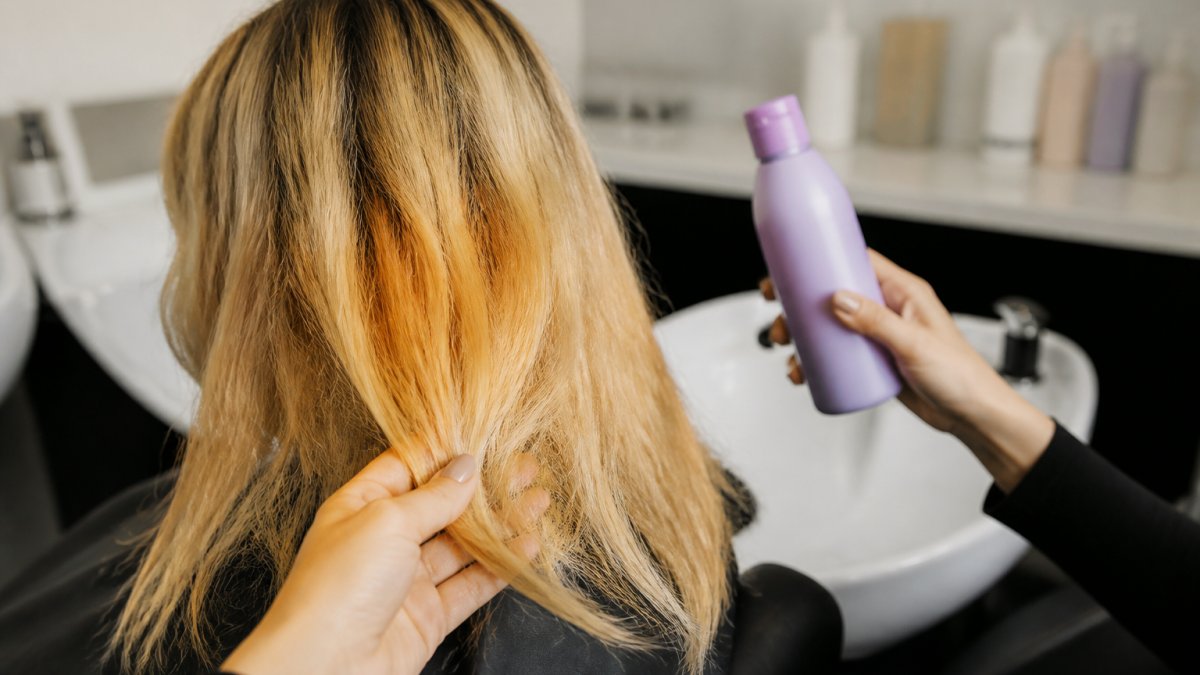
Table of Contents
- Why Bleaching Leaves Brassy Tones (and How to Diagnose Yours)
- Hair Condition and Safety Checks Before You Apply More Chemicals
- How to Get Rid of Orange Hair After Bleaching
- Purple Shampoo for Brassy Hair: When It Works and When It Doesn't
- How Long to Leave Toner in Hair (and How to Apply It)
- Hair Color Correction for Brassy Hair: When DIY Isn't Enough
- Aftercare and Prevention: Stopping Brassy Tones From Coming Back
- Conclusion: Your Next Step Toward Cool, Even Blonde
- Frequently Asked Questions
Last Updated: October 4, 2026
Why Bleaching Leaves Brassy Tones (and How to Diagnose Yours)
Bleaching strips natural pigment, but rarely removes every trace in one session. What stays behind shows up as warm, unwanted color.
Brassy hair is lightened hair that still holds warm pigment, showing up as yellow, orange, or red instead of a cool, even blonde.
That leftover warmth is underlying pigment. Every hair color has it, and bleach reveals it as it lifts.
Yellow, Orange, or Red: Reading Your Underlying Pigment
The color you see tells you which pigment is left and which product counters it. Match the tone to the fix.
- Yellow means your hair lifted to a pale stage. Purple pigment cancels yellow.
- Orange means warm red-orange pigment remains. Blue pigment cancels orange.
- Red or copper means the hair is still too dark to tone. It needs more lift first.
Hair Condition and Safety Checks Before You Apply More Chemicals
Never tone hair that isn't strong enough to survive it. Two quick checks tell you whether it can take more processing.

The first check is elasticity. Wet one strand and stretch it gently.
The second is a strand test: apply toner to one small hidden section first and watch it develop before you commit your whole head.
- Wait at least two weeks between bleach sessions when you can.
- Skip toning on hair that is wet-stretchy or breaking.
- Do a patch test on your skin 48 hours before any new product.
If your hair fails these checks, book a professional consultation.
How to Get Rid of Orange Hair After Bleaching
Orange needs blue, not purple. The most common mistake is reaching for purple shampoo on orange hair, it barely moves. Blue sits opposite orange on the color wheel, so it's the correct neutralizer.
Blue Pigment and the Color Wheel: Neutralizing Orange
Color neutralization follows one rule: opposite tones cancel each other. Yellow sits opposite purple, orange opposite blue, red opposite green. To get rid of orange hair after bleaching, use a blue shampoo, blue toner, or blue-based demi-permanent color.
- Yellow hair → purple pigment
- Orange hair → blue pigment
- Red or copper hair → more lift first, then tone
One caution: blue pigment is strong. On pale yellow hair it can push toward a muddy or greenish cast, so match product strength to your actual warmth.
Purple Shampoo for Brassy Hair: When It Works and When It Doesn't
Purple shampoo is a maintenance tool, not a rescue. It works on yellow tones and does almost nothing for orange or red. It deposits violet pigment on the hair's surface, and violet sits directly opposite yellow on the color wheel, when the two meet, they cancel. Orange sits opposite blue, so violet has no opposite to grab, which is why a purple wash on orange hair barely moves the needle.
A Quick Decision Check Before You Buy
Before you buy a purple product, run this three-question check.
- What tone do I actually see? Hold a white towel next to your hair in daylight. Pale, buttery, lemon, that's yellow. Clearly warm, tangerine, or apricot, that's orange. Dark, coppery, or reddish-brown, that's red or copper.
- How dark is the hair underneath the warmth? If the strand is still darker than a medium blonde, no toner will fix it. Tone neutralizes exposed pigment; it does not lift. You need more lightening first.
- Is the warmth uniform or patchy? Uniform warmth responds well to an all-over purple wash. Patchy warmth, bands, hot roots, or warm ends with cool mid-lengths, needs targeted application, not a full-head shampoo.
If question one is yellow and question two is light enough to tone, purple shampoo is the right tool. If either points elsewhere, it will disappoint you.
How Purple Shampoo Actually Works (and Why It Fades)
Purple shampoo is a direct dye: the violet pigment sits on the outside of the cuticle rather than penetrating the cortex like permanent color.
The trade-off is real. The same pigment that cancels yellow can build up on porous, over-lightened hair and leave a dull violet or gray cast. Hair bleached multiple times is more porous, grabs more pigment, and shows buildup faster.
Matching the Product to the Tone
Not all purple products are built the same. Pigment strength matters as much as color.
-
Yellow hair, mild warmth → a standard purple shampoo used once or twice a week.
-
Yellow hair, strong warmth → a purple mask or a pigmented purple conditioner left on for the full label time.
-
Yellow with a hint of orange → a blue-purple blend, which covers both tones without pushing too far toward blue.
-
Works for: pale yellow tones, upkeep between salon visits, cool blonde maintenance
-
Doesn't work for: orange, copper, red, or hair that is too dark to tone
-
Overuse risk: dry, brittle hair and a dull violet cast
Use it once or twice a week, not daily, and leave it on only as long as the label states. Color-safe shampoo and a good conditioner matter more for long-term tone than any purple product.
When Purple Shampoo Is the Wrong Tool Entirely
Three situations make purple shampoo the wrong move:
- The hair is still too dark to tone. If the strand is darker than a medium blonde, the warmth is unexposed underlying pigment. Purple can't neutralize what isn't visible, more lift comes first.
- The warmth is orange or red. Blue is the correct neutralizer; purple won't touch it.
- The hair is overprocessed. If a wet strand stretches and stays stretched or snaps, the cuticle is compromised. Adding pigment to damaged hair worsens the look and delays the repair it needs.
How Long to Leave Toner in Hair (and How to Apply It)
Most toners develop in 10 to 20 minutes, but follow the label and check every few minutes near the end. Processing time is not a suggestion: too long risks a muddy or ashy-gray result, too early leaves the warmth. A strand test tells you your exact sweet spot.
Step-by-Step Application: Sectioning, Timing, and Strand Testing
- Start with dry, unwashed hair unless the label says otherwise. Natural oils help protect the scalp.
- Do a patch test 48 hours ahead and a strand test on one hidden section.
- Mix the toner with the correct developer and developer strength listed on the box.
- Section hair into four parts and clip each one out of the way.
- Apply to the brassy sections first, usually the mid-lengths and ends.
- Set a timer for the low end of the processing time. Check at that mark.
- Rinse with cool water until it runs clear, then apply a deep conditioner.
Targeted application is key. If only your ends are warm, tone only your ends, toning the whole head risks over-processing healthy sections.
Hair Color Correction for Brassy Hair: When DIY Isn't Enough
Some brassy hair can't be fixed at home, and pushing further makes it worse. Hair color correction is the professional route when the problem is deeper than tone. Book a colorist when:
- The hair is still too dark to tone, so tone has nothing to grab.
- You see uneven color with bands, patches, or a hot root area.
- The hair is overprocessed, stretchy, or breaking.
A professional can assess how much lift your hair can safely take, then build a plan across more than one visit.
This is where Amanda Moncur Salon works: our team specializes in blonding and color correction, with a collaborative approach and structured training behind every stylist. If you've been told your hair is beyond saving, a proper assessment is the honest first step.
Aftercare and Prevention: Stopping Brassy Tones From Coming Back
Brass returns because warmth always comes back as hair ages and oxidizes. Prevention is about slowing that process, not stopping it.
Why Brass Comes Back
Three things drive recurring warmth:
- Oxidation. Lightened hair has exposed underlying pigment. Over time, oxygen in air and water reacts with what's left, making warm tones more visible, the same process that fades a fresh toner.
- Cuticle porosity. Bleached hair has a raised, porous cuticle that loses moisture and deposited pigment faster, so toner washes out sooner and warmth shows through sooner.
- Water and heat. Hot water opens the cuticle and accelerates pigment loss; heat styling does the same, and UV breaks down both natural and deposited pigment.
Every habit below targets one of those drivers. The more porous your hair, the faster you lose tone, and the more your routine must compensate.
Wash Frequency and Water
- Wash less often. Every wash removes deposited pigment. Stretching washes to two or three times a week, or less, if your scalp allows, is the highest-impact change you can make.
- Use cool or lukewarm water. Hot water opens the cuticle and speeds pigment loss; a cool final rinse helps the cuticle lay flat and holds tone longer.
- Watch your water quality. Hard water leaves mineral deposits that dull blonde and interact with toner; a shower filter or occasional chelating shampoo helps. Well water high in iron is a known cause of orange or rust-toned discoloration on lightened hair, often mistaken for brass.
Heat, Sun, and Environmental Exposure
- Limit heat styling. Every pass of a flat iron or blow dryer opens the cuticle and accelerates fade. Use the lowest effective setting and always a heat protectant.
- Shield hair from sun. UV breaks down pigment the way it fades fabric. A hat, a UV-protective leave-in, or both during extended sun exposure noticeably extends your tone.
- Rinse before and after swimming. Chlorine and salt water strip tone and leave their own discoloration. Wetting hair with fresh water before swimming reduces chlorine absorption, and rinsing immediately after limits damage.
A Maintenance Schedule That Actually Holds Tone
- Weekly: a hydrating mask to support hair porosity and slow moisture loss. Moisturized hair holds pigment longer than dry hair.
- Every one to two weeks: a purple or blue product matched to your tone, used only as often as your hair tolerates without a violet or blue cast.
- Every four to six weeks: a toner refresh between full color appointments, the cheapest way to keep a cool blonde looking intentional rather than grown-out.
The Biggest Prevention Factor: How You Lighten
The biggest factor is how much you lighten at once. Gentle, staged lightening holds tone far longer than one aggressive bleach session. Hair lifted in two or three sessions arrives at the target shade with more cuticle integrity, so it holds toner longer and needs less frequent correction.
When Brass Keeps Coming Back Anyway
If you follow every habit above and warmth still returns within a week or two, the problem is usually not your routine:
- The underlying pigment was never fully lifted. If the hair is still darker than a medium blonde, no aftercare will hold a cool tone. The fix is more lift, not more purple shampoo.
- The hair is too porous to hold pigment. Highly porous hair releases deposited tone almost immediately. A bond-building or protein treatment followed by a moisturizing mask can improve how it holds color.
- The toner was too weak for the tone. A mild purple shampoo can't hold back strong orange; match pigment strength to the actual warmth.
Conclusion: Your Next Step Toward Cool, Even Blonde
Brassy hair is a pigment problem, and every pigment has a matching fix: purple for yellow, blue for orange, and more lift when the hair is too dark.
When the tone won't budge or the hair is already stressed, professional color correction is the safer path.
Ready for a cool, even blonde? Book online with Amanda Moncur Salon and get a plan made for your hair.
Frequently Asked Questions
Will Dawn dish soap strip toner out of hair?
Dish soap can fade toner faster than color-safe shampoo because it strips oils and some surface pigment, but it won't fully remove toner or fix underlying brassy tones. It also dries out bleached hair, which is already compromised. If your toner went too dark or too ashy, a clarifying shampoo is a gentler first step. For serious correction, see a professional colorist rather than relying on dish soap.
Should I use purple or blue shampoo for brassy hair?
Match the shampoo to your underlying pigment. Purple shampoo neutralizes yellow tones, which suits light blonde and ash blonde hair. Blue shampoo neutralizes orange tones, which appear on darker starting levels or hair that hasn't lifted past the orange stage. If your hair shows both yellow and orange, alternate between the two or use a blue-purple blend. Leaving either on too long can leave a violet or blue cast.
How soon after bleaching can I use toner?
Most toners can be applied the same day as bleaching, once the hair is rinsed and towel-dried. Waiting 24 to 72 hours gives your scalp a rest and lets you assess how the hair lifted. If your scalp is irritated or the hair feels gummy, wait at least a week and focus on protein and moisture treatments first. A strand test tells you how the hair will respond before you commit.
When should I see a professional for brassy hair after bleaching?
Book a colorist if your hair is still orange after two or more bleach sessions, if it feels stretchy or breaks when wet, or if a previous at-home correction left uneven patches. Hair that hasn't lifted past orange can't be toned to blonde; it needs another lightening session done carefully. A professional can assess porosity, choose the right developer strength, and protect the hair's integrity during correction.


