


Last Updated: October 28, 2026
Quick Summary
To maintain bleached hair health, use a sulfate-free shampoo twice a week with cool water and a bond-building mask, then layer a leave-in conditioner and light oil on the ends. Protect strands overnight with a silk pillowcase or loose braid, and always use a heat protectant on the lowest effective setting.
- Shampoo the scalp only twice weekly with sulfate-free products and cool water.
- Apply leave-in conditioner to damp mid-lengths and ends, then seal with light oil.
- Sleep on a silk or satin pillowcase or in a loose braid to reduce friction breakage.
- Comb damp hair with a wide-tooth comb starting at the ends, never the top.
- Book a professional assessment if hair snaps when wet or ends feel gummy.
Table of Contents
- What Bleach Actually Does to Your Hair
- Your Bleached Hair Care Routine, Week by Week
- How to Hydrate Hair After Bleaching
- How to Prevent Breakage in Bleached Hair
- When to Get a Bleach Touch-Up (and When to Wait)
- Signs Your Hair Needs a Professional, Not a Product
- Booking Your Blonding Consultation
- Frequently Asked Questions
What Bleach Actually Does to Your Hair
Bleach does not "damage" hair in a vague sense. It breaks a specific bond inside every strand. That matters because it tells you exactly what can be repaired and what cannot.
Here is the short version. Bleach lifts pigment by forcing the hair's outer layer open and breaking down melanin (Effects of excessive bleaching on hair). The same process weakens the protein structure underneath. Hair that has been lightened loses moisture faster, feels rougher, and stretches before it snaps.
So how do you maintain hair health after bleaching? You stop thinking about repair and start thinking about protection. Hair is not living tissue. Once a strand leaves the scalp, it cannot heal itself. Every step in a bleached hair care routine is really about slowing further loss.
Bleached hair is hair that has been chemically lightened, which strips natural pigment and some structural protein along with it.
The good news: damaged hair can look and feel dramatically better. It will not return to its pre-bleach state. But it can be soft, strong, and shiny again with consistent care.
Your Bleached Hair Care Routine, Week by Week
A workable bleached hair care routine is simpler than the product aisle suggests. You need three things: the right wash schedule, the right products, and protection between washes.
Here is a weekly framework that works for most blondes:
- Wash day (2x per week): What to Do: Sulfate-free shampoo, bond-building mask; Why It Matters: Cleans gently, supports protein
- Day after wash: What to Do: Leave-in conditioner on mid-lengths and ends; Why It Matters: Locks in moisture
- Midweek: What to Do: Dry shampoo at the roots only; Why It Matters: Extends time between washes
- Nightly: What to Do: Silk pillowcase or loose braid; Why It Matters: Reduces friction breakage
- Weekly: What to Do: Deep conditioning treatment; Why It Matters: Restores softness
Wash Day: What to Use and What to Skip
Use a sulfate-free shampoo and cool water. Skip harsh clarifiers unless a stylist tells you otherwise.
Hot water opens the cuticle and lets moisture escape. Cool water keeps it flatter and smoother. It sounds small. It makes a visible difference over a few weeks.
Also skip the habit of shampooing the ends. Shampoo belongs at the scalp. The ends get clean as the suds rinse through.
Between Washes: Protecting Strands Overnight
Overnight friction is the quiet cause of a lot of breakage. Cotton pillowcases grab at strands. A silk or satin pillowcase lets hair slide instead.
Try a loose braid or a low bun with a silk scrunchie. Never sleep with tight elastics or wet hair pulled back hard. Wet hair stretches more and snaps more easily.
How to Hydrate Hair After Bleaching
Hydration is the fastest way to make bleached hair feel better. The trick is layering moisture in the right order.
Start with a leave-in conditioner on damp hair. Seal it with a light oil on the ends only. Then let hair air-dry when you can.
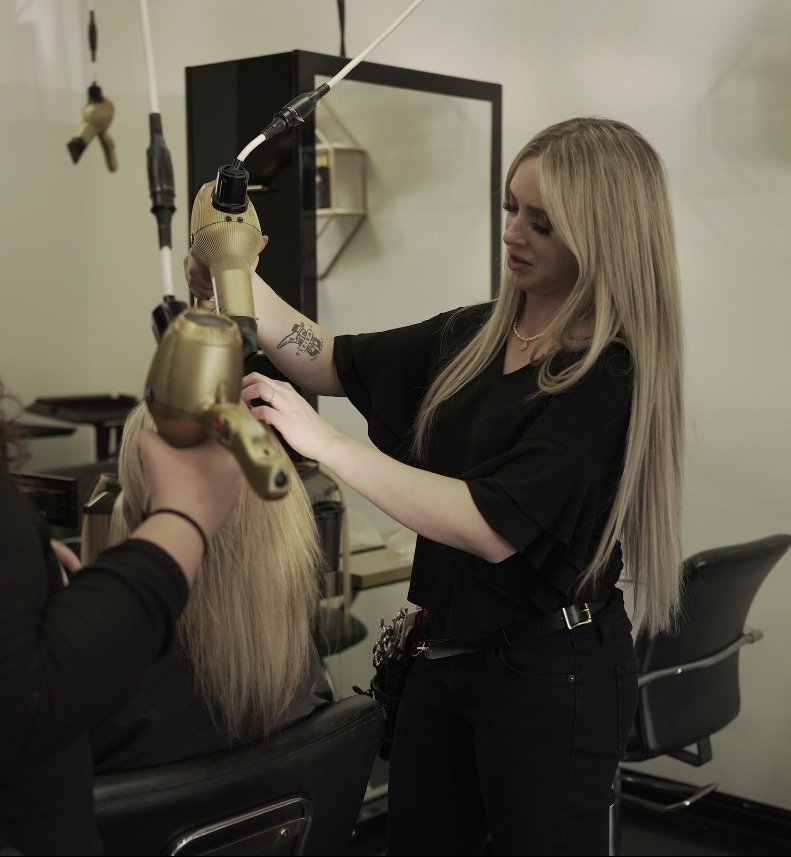
A few habits that help:
- Apply masks to damp, not soaking, hair
- Focus product on mid-lengths and ends, never the scalp
- Leave a deep conditioner on for the time the label states
- Rinse with cool water to close the cuticle
- Add a weekly bond-building treatment if hair feels mushy
For a deeper walkthrough on toning and after-bleach care, our guide on how to fix brassy hair after bleaching covers the steps in more detail.
How to Prevent Breakage in Bleached Hair
Breakage prevention comes down to reducing tension and heat. Bleached strands are weaker, so they tolerate less of both.
The habits that snap strands are usually the ones people do daily without thinking. Tight ponytails. Rough towel drying. Brushing wet hair from the top down.
Simple swaps that protect bleached hair:
- Use a wide-tooth comb on damp hair, starting at the ends
- Pat hair dry with a soft towel instead of rubbing
- Loosen ponytails and rotate where you place them
- Skip tight braids and high-tension styles on stressed hair
- Trim split ends every few months before they travel upward
Heat, Tension, and the Habits That Snap Strands
Heat is the fastest way to undo good care. Flat irons and curling wands above a moderate setting can push already-weakened hair past its limit.
Use a heat protectant every time. Keep tools on the lowest setting that gets the job done. And give hair rest days with no heat at all.
Watch out: pulling a hot tool through damp or wet hair can cause serious damage. Water trapped in the strand boils and cracks the cuticle from the inside.
When to Get a Bleach Touch-Up (and When to Wait)
If you are unsure whether your hair is ready, ask for an assessment first. A stylist can feel the difference between hair that can take more lightening and hair that needs recovery time.
Signs Your Hair Needs a Professional, Not a Product
Some problems do not have a shelf solution. If you notice any of these, book an assessment rather than buying another mask:
- Hair snaps when wet with little tension
- Ends feel gummy or mushy after washing
- Large sections feel thinner than they used to
- Color looks uneven or patchy
- Scalp is irritated, flaky, or tender
Products can support hair health. They cannot rebuild a strand that has lost too much structure. That is when professional help matters. Explore our hair salon services to browse cuts, color, and treatments.
Booking Your Blonding Consultation
A consultation is where good blonding starts. It is a conversation, not a sales pitch.
Before you book, it helps to know what to look for in a stylist. Our guide to choosing a hair stylist covers the questions to ask and the red flags to avoid.
Ready to see what is possible for your blonde? Explore our expert blonding services in South Jordan.
Your hair has been through a lot, and it deserves a plan built around its actual condition, not a generic routine. At Amanda Moncur Salon, we pair expert blonding and color correction with education on proper hair care. Our collaborative team approach and structured stylist training support a consistent guest experience. Get started with Amanda Moncur Salon.
Frequently Asked Questions
How often should you wash bleached hair?
Aim for two to three washes a week at most. Every wash opens the cuticle and lifts moisture out, and bleached hair has fewer layers left to hold that moisture in. On off days, use dry shampoo at the roots only and rinse with cool water when you do wash. Hot water swells the cuticle and speeds up color fade, so finish every shower with a cool rinse to seal strands back down.
What products help repair bleached hair?
Look for a sulfate-free shampoo, a bond-building treatment, and a leave-in conditioner with humectants like glycerin or hyaluronic acid. Protein treatments help fill gaps in the strand, but use them no more than once every two weeks, since too much protein makes bleached hair stiff and prone to snapping. Alternate protein weeks with deep moisture masks so the balance stays even. Ask your stylist which strength suits your hair's current condition.
Can bleached hair become healthy again?
Bleached hair cannot return to its original state, because the cuticle layers removed by lightener do not grow back. What you can do is rebuild how it feels and behaves. Consistent hydration, bond-building treatments, and gentle handling make bleached hair softer, shinier, and far less likely to break. New growth arrives healthy, and regular trims remove the most compromised ends. Many clients reach a point where their blonde feels strong again, even though the chemistry has changed.
When should you see a stylist about bleach damage?
Book a consultation if you notice gummy strands when wet, split ends climbing more than an inch up the shaft, or breakage at the crown and hairline. Those signs mean the inner structure is compromised, and at-home products can only do so much. A stylist can assess elasticity, recommend a trim schedule, and adjust your lightener formula for future visits. Catching damage early usually means keeping more length.
Book Online
 Add amandamoncursalon.com as a preferred source on Google →


