


Table of Contents
- Why Clients Seek an Ottalaus Alternative for Hair Color Correction
- What a Hair Color Correction Consultation Should Cover
- Your Hair Color Correction Appointment Timeline, Start to Finish
- How to Fix Brassy Hair Professionally Without More Damage
- How to Choose a Hair Colorist Who Specializes in Correction
- Comparing Your Color Correction Options: Salon Service vs. At-Home Products
- Conclusion: The Right Alternative Puts Hair Health First
- Frequently Asked Questions
Last Updated: October 21, 2026
Why Clients Seek an Ottalaus Alternative for Hair Color Correction
Hair color correction is the process of fixing an unwanted color result, whether that means removing brassiness, repairing uneven tone, or addressing damage left behind by repeated chemical services. At Amanda Moncur Salon in South Jordan, UT, we meet clients every week who are searching for an Ottalaus alternative because they want a result that protects their hair, not just changes its shade.
The reasons are consistent. A previous color service went wrong. Box dye layered over old bleach left a patchy, orange result. Years of lightening made the hair fragile and prone to breakage. Many clients arrive worried that nothing can be done. The truth is that most color problems can be improved, but the approach matters far more than the product name on the door.
Below, we explain what a real consultation should cover, how an appointment unfolds, and how to choose a colorist who specializes in correction rather than general coloring.
What a Hair Color Correction Consultation Should Cover
A proper hair color correction consultation covers four things: a strand assessment, a realistic outcome discussion, a multi-step plan, and a clear explanation of the risks. Anything less is a sales pitch, not a consultation.
The assessment comes first. A trained colorist should feel the hair's elasticity, check porosity, and look at the history of every chemical service. This is where most consultations fall short. A stylist who skips the strand test is guessing.
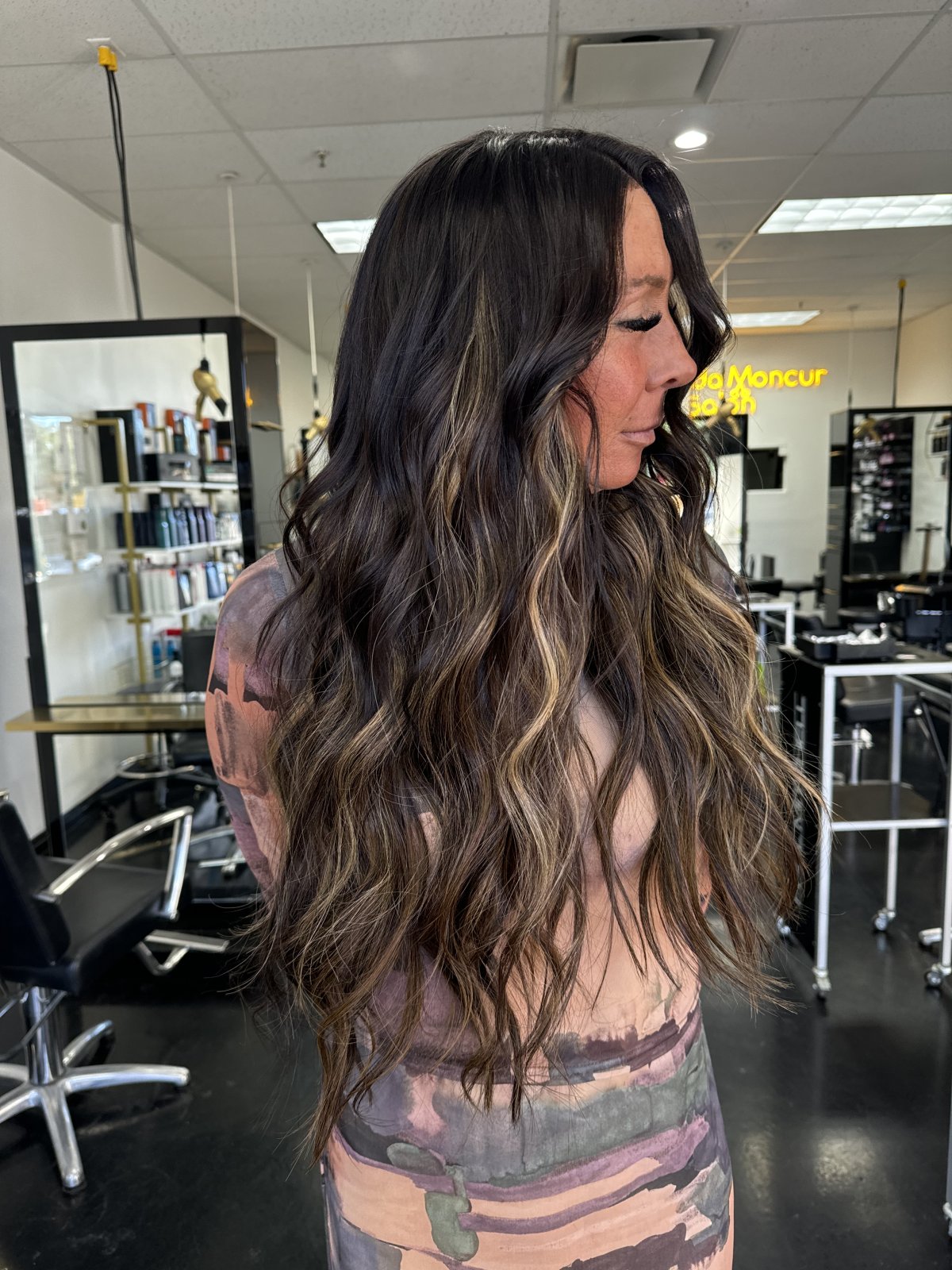
The outcome discussion should be honest. Correction rarely happens in one visit, and a colorist who promises a perfect result in a single session is overselling. Ask what the hair can realistically handle before the next appointment.
Finally, the plan should be written down. That includes the steps, the timing between visits, and the products recommended for home care.
Watch Out
Skipping the strand test is the most common consultation mistake. Without it, a colorist cannot predict how the hair will react to lightener or toner, and the result can be worse than the original problem.
Your Hair Color Correction Appointment Timeline, Start to Finish
A hair color correction appointment timeline typically runs longer than a standard color service, often spanning several hours and sometimes more than one visit. The length depends on how many layers of old color need to be lifted and how much the hair can safely tolerate.
Here is how a typical appointment unfolds:
- Consultation and strand test - reviewing history and testing how the hair responds
- Color removal or lifting - carefully reducing old pigment without over-processing
- Toning - neutralizing unwanted warmth and balancing the shade
- Treatment and conditioning - restoring moisture after chemical work
- Styling and home-care plan - setting expectations for the weeks ahead
The appointment timeline for a hair color correction can stretch across weeks if the hair needs recovery time between sessions. Rushing the process is how damage happens.
Pro Tip
Ask your colorist how much time to block out before the appointment. Correction services often run longer than expected, and scheduling back-to-back clients is a sign the salon is not planning for the reality of correction work.
How to Fix Brassy Hair Professionally Without More Damage
Fixing brassy hair professionally means correcting the underlying pigment imbalance, not covering it with more color. Brassiness comes from warmth that shows through when cool tones fade or when lightener exposes the hair's natural undertone.
The professional approach uses toner and gentle color balancing rather than repeated bleaching. A colorist will assess how much warmth is present, then choose a toner that neutralizes it without lifting more pigment. This is the key difference between a correction specialist and a general colorist.
Damage control runs alongside the color work. Bond-building treatments and conditioning masks help the hair recover between services. Clients with compromised hair often need a restorative plan before any color is applied.
For anyone in the South Jordan area dealing with stubborn brass, the priority should be hair health first and tone second. A colorist who understands this sequence will get better long-term results than one chasing a quick fix.
How to Choose a Hair Colorist Who Specializes in Correction
Choosing a hair colorist who specializes in correction comes down to three checks: proof of correction work, an honest consultation, and a hair-health-first philosophy. General coloring and correction are different skills, and not every stylist trains for the latter.
Start with the portfolio. Look for before-and-after images that show correction cases, not just fresh color on healthy hair. A stylist who specializes in blonding and color correction will have that work on display.
Then pay attention to the consultation. A specialist asks about your hair history, previous services, and how the hair has been treated at home. They will tell you what is possible and what is not.
At Amanda Moncur Salon, our team trains through a structured 30-day program, and correction and blonding are core specialties. Founder Amanda Moncur brings a New York Fashion Week background to the work, and the salon's collaborative model means a second set of trained eyes is often part of the process.
Key Takeaway
The right colorist will tell you what your hair can handle before they touch it. If a stylist promises a perfect correction in one session without a strand test, keep looking.
Comparing Your Color Correction Options: Salon Service vs. At-Home Products
Comparing color correction options means weighing professional salon service against at-home products, and the trade-offs are not close for serious correction cases.
- Professional salon correction: Best For: Layered, damaged, or brassy color; Risk Level: Managed by a trained colorist; Result: Balanced tone with hair-health oversight
- Root cover-up powder: Best For: Concealing visible roots between visits; Risk Level: Low; Result: Temporary cosmetic coverage only
- At-home toning products: Best For: Minor warmth on healthy hair; Risk Level: Moderate; Result: Short-lived, can worsen imbalance
- Color-removal products: Best For: Professional use under supervision; Risk Level: High if misused; Result: Intended for specific dye types
For real correction, a salon service is the safer path.
Pricing for correction services depends on the scope of the work, the number of steps, and the time required. Our pricing page lists current service rates, and we recommend booking a consultation so the plan and cost are clear before the appointment.
Best For
Clients with layered, damaged, or brassy color who want a result that protects hair health rather than a quick cosmetic fix.
Conclusion: The Right Alternative Puts Hair Health First
The search for an Ottalaus alternative usually comes down to one concern: will this fix my hair without making it worse? The answer depends less on the brand and more on who is doing the work and how they plan it.
If you are in South Jordan and ready to fix brassy, damaged, or uneven color, Amanda Moncur Salon offers correction and blonding services built around hair health, a collaborative team, and a consultation that tells you the truth about what your hair can handle. Book online and start with a consultation so we can map out your correction plan together.
Frequently Asked Questions
What should I look for in a hair color correction salon?
Look for a salon that treats color correction as a consultation-first service, not a quick add-on. Ask whether stylists assess your hair's condition and history before quoting a plan, whether they specialize in blonding and correction, and whether they explain the risks of overlapping treatments. A salon that sets realistic expectations about multiple visits and hair health is a stronger choice than one promising a one-session fix.
How many appointments can hair color correction take?
It depends on how many layers of color you have and how compromised your hair is. Mild brassiness may resolve in one visit, while dark box dye or years of overlapping bleach often needs two or three sessions spaced weeks apart to protect the hair. A consultation is the only reliable way to get a timeline for your specific hair, since a stylist needs to see and feel it first.
Can a salon fix brassy or overly dark hair color?
Yes, in most cases, but the approach matters. Brassy tones usually call for toning and careful color balancing, while overly dark color often requires a gentle lifting process spread over multiple appointments. A stylist will test how your hair responds before committing to a full plan, which is why an in-person consultation comes before any correction service.
What should I bring to a hair color correction consultation?
Bring photos of the color you want and the color you currently have, plus a rough history of every dye, bleach, or treatment applied in the past year. Mention any medications or scalp sensitivity. The more accurate your history, the better a colorist can predict how your hair will react and how many appointments the correction will take.


